


RISE Project
Resilience. Integration. Support. Education. Guides may face heightened exposure to stress and trauma—mental health strategies are an essential part of holistic risk management and professional resilience.
About the RISE Project
Mountain guides carry immense responsibility. You support clients through risk, uncertainty, and powerful life experiences. When incidents, loss, near misses, or cumulative stress occur, the emotional impact can be significant. Grief, trauma responses, sleep disruption, anxiety, and shifts in identity are common and valid reactions.
Seeking support is not a sign of weakness. It is a sign of professionalism and care for yourself, your partners, and your community.
All humans are walking through the world coping with stress and trauma. As guides we are often exposed to a higher level of stress and trauma than the general population. In our profession we may experience trauma on a recurring basis, we are often first responders to traumatic events, and our community experiences a disproportionate amount of grief and loss. The nature of our work and the stress of our training can take a toll over time.
Developing healthy strategies to cope with stress and trauma can improve mental health and minimize the effects of stressful events. Taking steps to nurture one's mental health is another risk management tool in a guide's kit.
The AMGA has compiled the information below to support guide’s mental health and gain tools to cope with stress and trauma. By sharing resources, and connection, we hope to help our community RISE together to provide support, and promote mental health and well-being. We will continue to grow this resource.

Mental Health & Trauma Support for Mountain Guides
Affinity Programs Details
- In an emergency, please call 911.
- The National Suicide and Crisis lifeline is 988.
- International users, consult local crisis resources.
- Responder Alliance Resource Hub provides tools and resources for self awareness, support, exposure appraisal and more.
- The Stress Continuum - self awareness tool.
- Psychological First Aid - supporting those experiencing distress or trauma.
- Incident Support Tool - event assessment tool for trauma.
- 3-3-3 Protocol - standardized approach to responding to traumatic stress exposure.
- Bigger Than The Trail provides free online counseling access through licensed professionals via text or video.
- NAMI offers free peer support groups, education programs, and local chapter connections across the United States.
- Responder Alliance Responder Alliance provides training and guidance to manage the risk of burnout and traumatic stress injury in high-risk occupations.
- Responder Alliance Online Community is a community of responders from around the world advancing resilience tools and best practices.
- SOAR: Survivors of Outdoor Adventures and Recovery provides peer support groups and trauma informed programming for people impacted by outdoor accidents.
- The Trevor Project offers 24 hour crisis support for LGBTQ+ young people via phone, text, or chat.
- American Alpine Club Grief Directory hosts a directory of licensed therapists familiar with climbing culture and mountain risk environments.
- Open Path Collective is a nationwide directory of licensed therapists offering sliding scale sessions at reduced rates.
- American Alpine Club Climbing Grief Fund provides financial assistance to members of the climbing community seeking therapy after a fatality or serious accident.
- The Loveland Foundation provides therapy funding support for Black women and girls seeking mental health services.
- Redside Foundation provides financial grants to professional mountain guides and ski patrollers facing hardship due to injury, illness, or major life disruption.
A Guide's Story
A collection of stories and conversations from the AMGA community. Vulnerable conversations about mental health, stress, grief, and loss. Real stories of resilience and support.

More Guide Stories
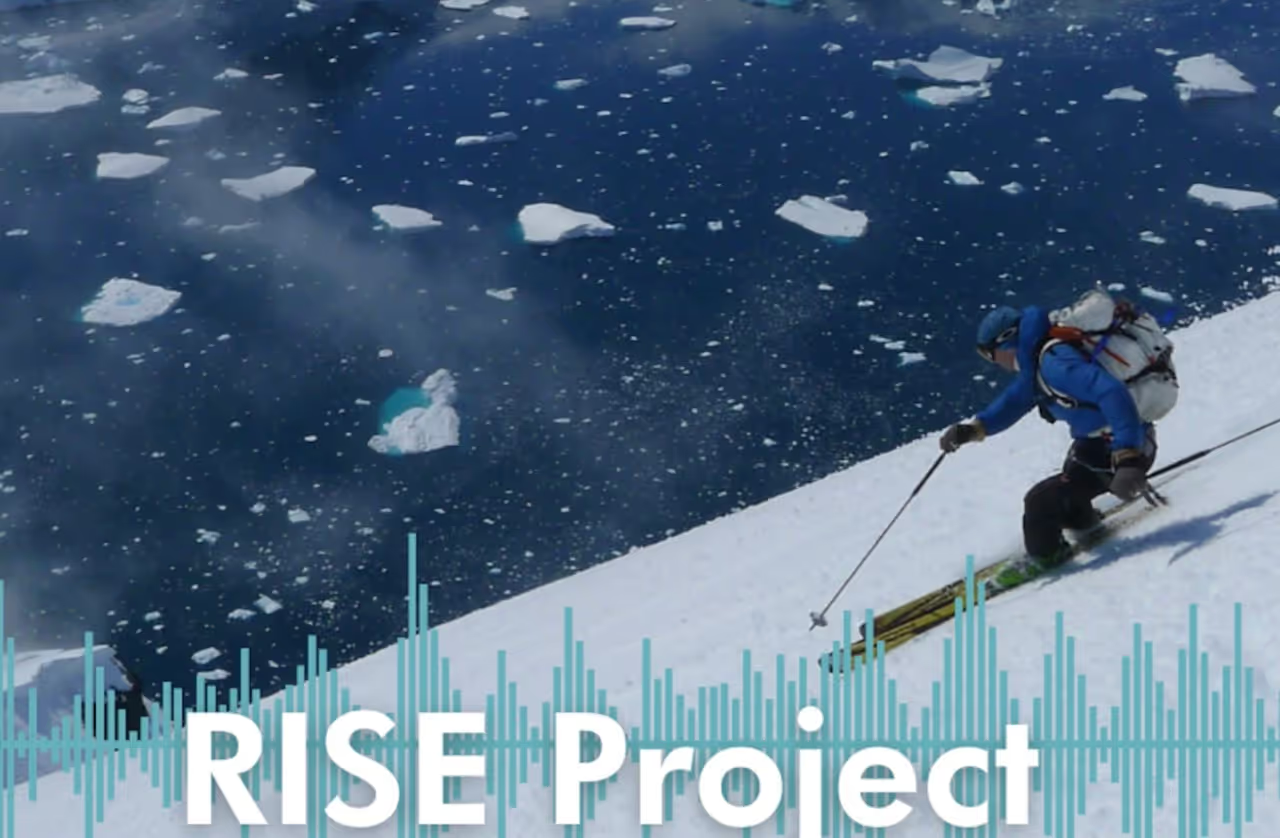
Gary speaks about his journey into guiding and the ways trauma and loss have influenced who he is, both personally and professionally.
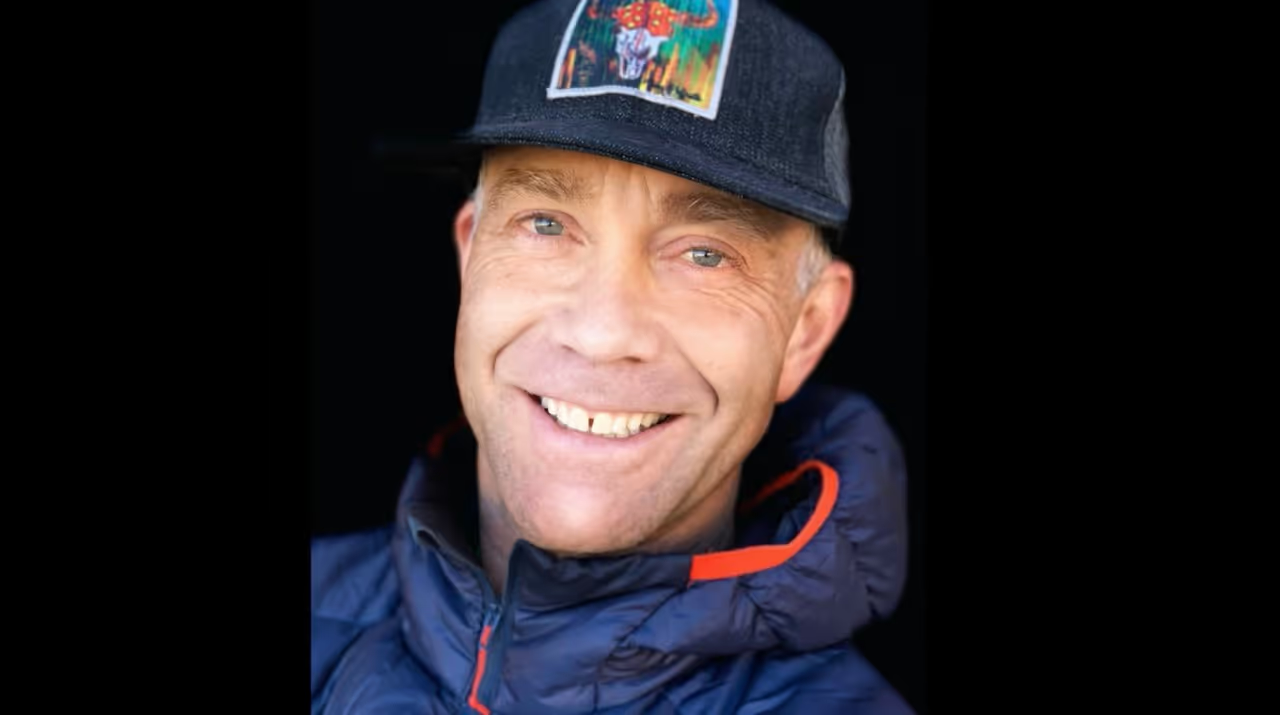
Listen to Dale share why mental health is an important focus for him and how he came to value it, especially given how prevalent these challenges are in the industry.
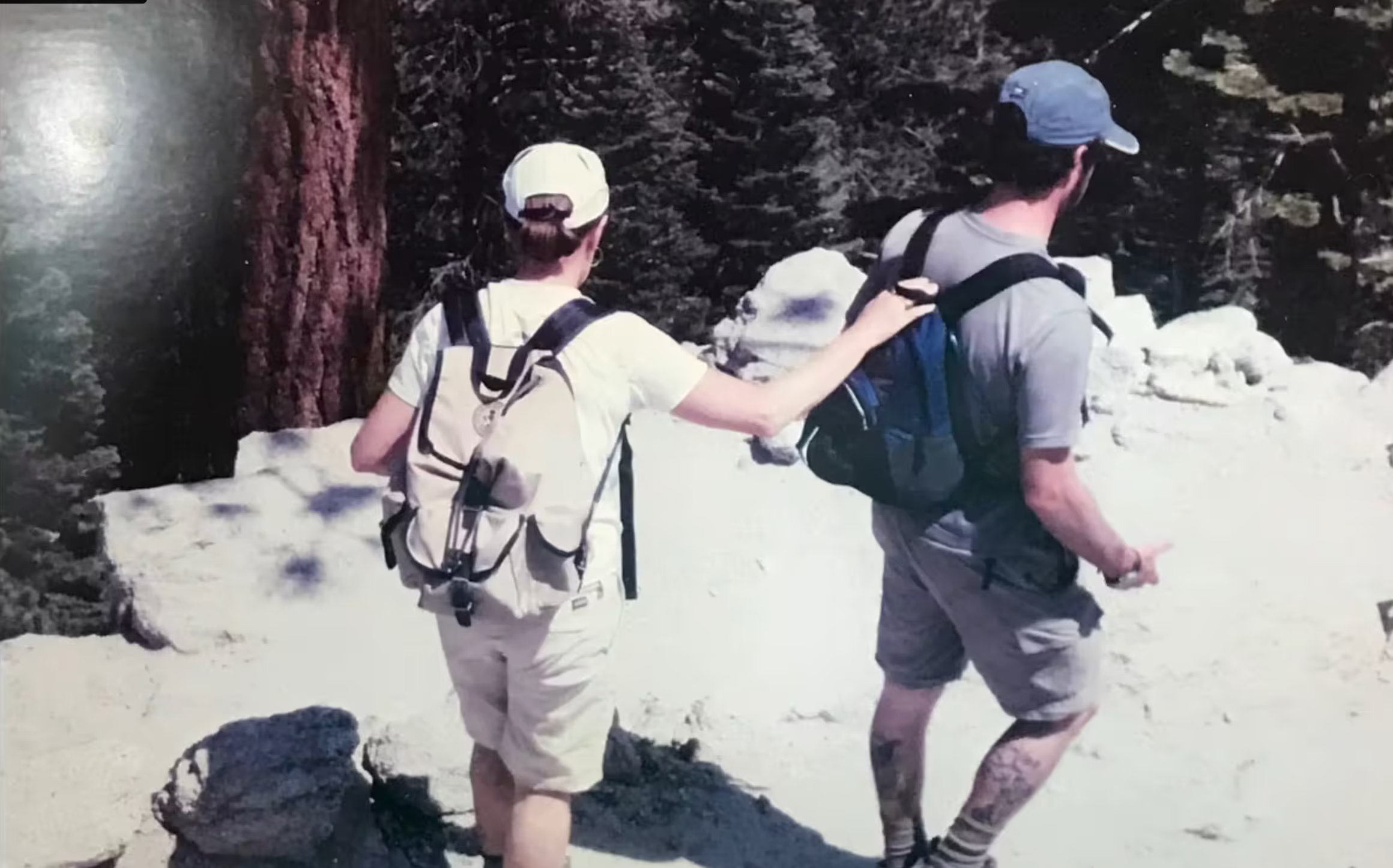
Mary Gaukel, mental health educator and mother of Rick Gaukel, shares her perspective on mental health and why it should be regarded with the same importance as physical health.