
AMGA Comments on Draft Federal Guidance for Wilderness Climbing Management
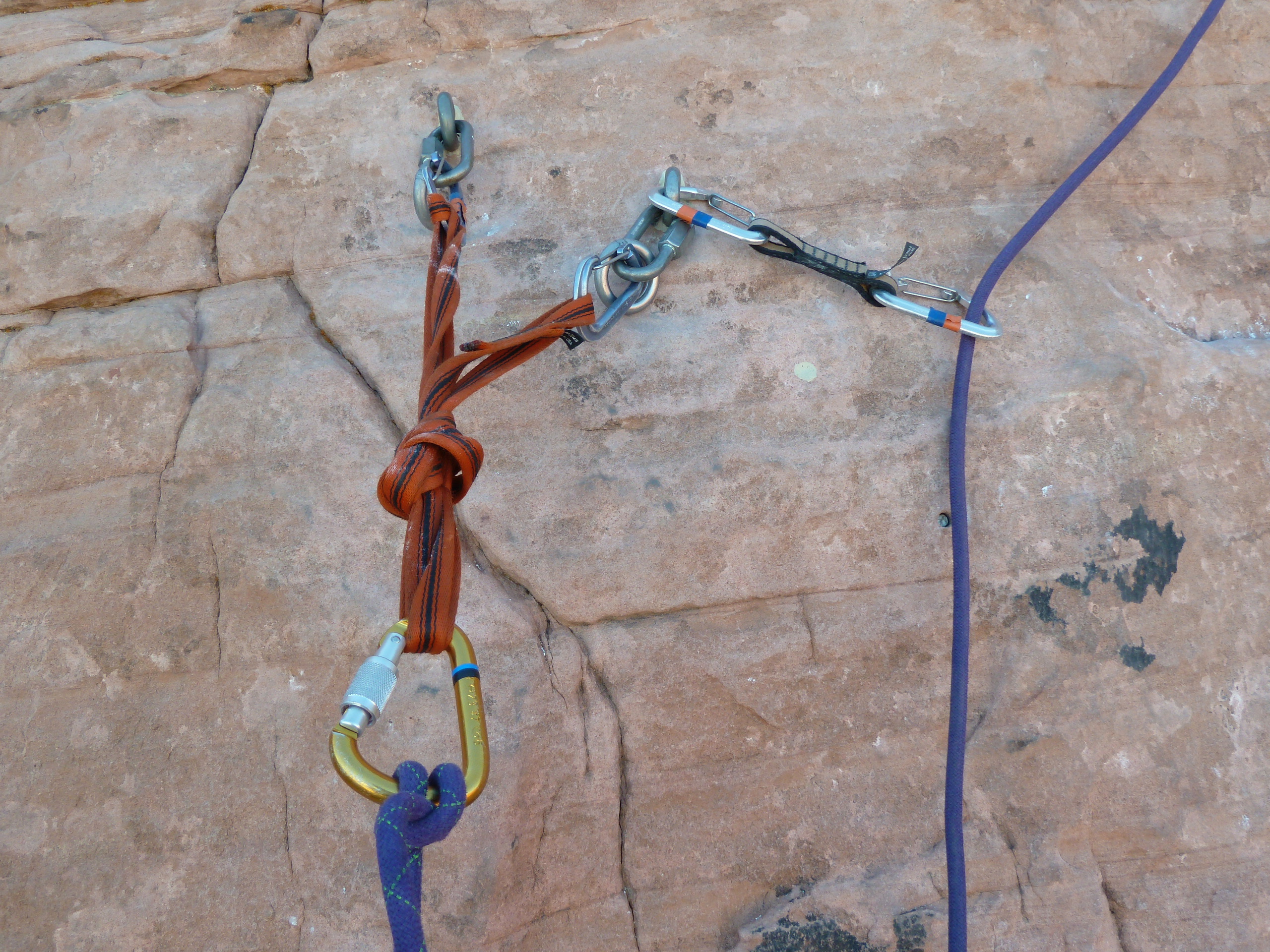
AMGA Advocates for Practical Wilderness Climbing Policies
The federal government is rewriting the rules that govern climbing and fixed anchors in wilderness, and AMGA is working to make sure those policies protect wilderness while also reflecting how climbing and guiding actually happen in the mountains. This summer, AMGA submitted detailed comments to the U.S. Forest Service, National Park Service, Bureau of Land Management, and U.S. Fish and Wildlife Service as they implement the EXPLORE Act and its Protecting America’s Rock Climbing provisions. There is a lot to like in the agencies’ proposals: they generally recognize climbing as an appropriate wilderness activity, distinguish ordinary fixed climbing anchors from the types of installations prohibited by the Wilderness Act, and provide important protections for established climbing routes.
AMGA is asking the agencies to make those principles work in real-world situations. Established climbing routes and their anchors should remain available for responsible use and maintenance unless there is a demonstrated, site-specific reason for a restriction. Routine anchor maintenance should not get bogged down in unnecessary permitting, and agencies should be able to authorize appropriate low-impact anchor work through climbing plans and other programmatic tools rather than requiring an individual permit for every action. Just as importantly, professional guides need the ability to respond to changing conditions in the field. When deteriorated hardware, weather, rockfall, an injured client, or another unforeseen hazard makes the placement or maintenance of an anchor necessary for a safe retreat or descent, a guide should be able to take the minimum action necessary to keep people safe.
The AMGA comments also reflect a broader principle behind AMGA’s public-lands advocacy: protecting wilderness and providing responsible climbing access are not competing goals. Fixed anchors should remain limited and low-impact, bolt-intensive development is inappropriate in wilderness, and wildlife, cultural resources, Tribal values, and wilderness character deserve strong protection. At the same time, management decisions should respond to actual impacts and favor targeted tools—such as seasonal closures, education, monitoring, stewardship, and route-specific measures—over unnecessarily broad restrictions. Professional guides can be valuable partners in that work, bringing field knowledge, safety expertise, and a strong stewardship ethic to some of America’s most extraordinary wild landscapes.
Read the AMGA Comments to the U.S. Forest Service
Read the AMGA Comments to the National Park Service Proposal
Read the AMGA Comments to the BLM Proposal
Read the AMGA Comments to the Fish & Wildlife Service Proposal
Women’s RGC